What can you eat after gallbladder surgery?
After gallbladder surgery, many patients restart with clear fluids and simple meals, then slowly return to normal food as tolerated. The safest plan is the one written on the discharge sheet because diet timing changes with nausea, diabetes, infection, open versus laparoscopic surgery, and the operation findings.
Diet after gallbladder surgery is the short-term eating plan used after cholecystectomy, the operation to remove the gallbladder. It usually focuses on hydration, smaller meals, lower-fat foods, enough fibre, and watching whether specific foods trigger bloating, loose stools or pain.
Fast rule: start small, keep meals simple, go easy on fat, avoid experimenting with heavy oily food, and call the surgeon if food or fluids are not staying down. This article is patient education, not a personal diet prescription.
Why does food feel different after gallbladder removal?
The gallbladder stores bile, which helps digest fat. After gallbladder removal, bile still reaches the intestine, but it is not stored in the same way. Some patients notice bloating, acidity-like discomfort or loose stools while the body adjusts.
NIDDK explains that after gallbladder removal, bile flows directly from the liver into the small intestine instead of being stored in the gallbladder, and a small number of people may have softer and more frequent stools: https://www.niddk.nih.gov/health-information/digestive-diseases/gallstones/treatment.
That does not mean every patient needs a strict permanent diet. It means the first days and weeks are easier when meals are smaller, lower in grease, and adjusted based on symptoms and the surgeon recovery plan.
What should the first few meals look like?
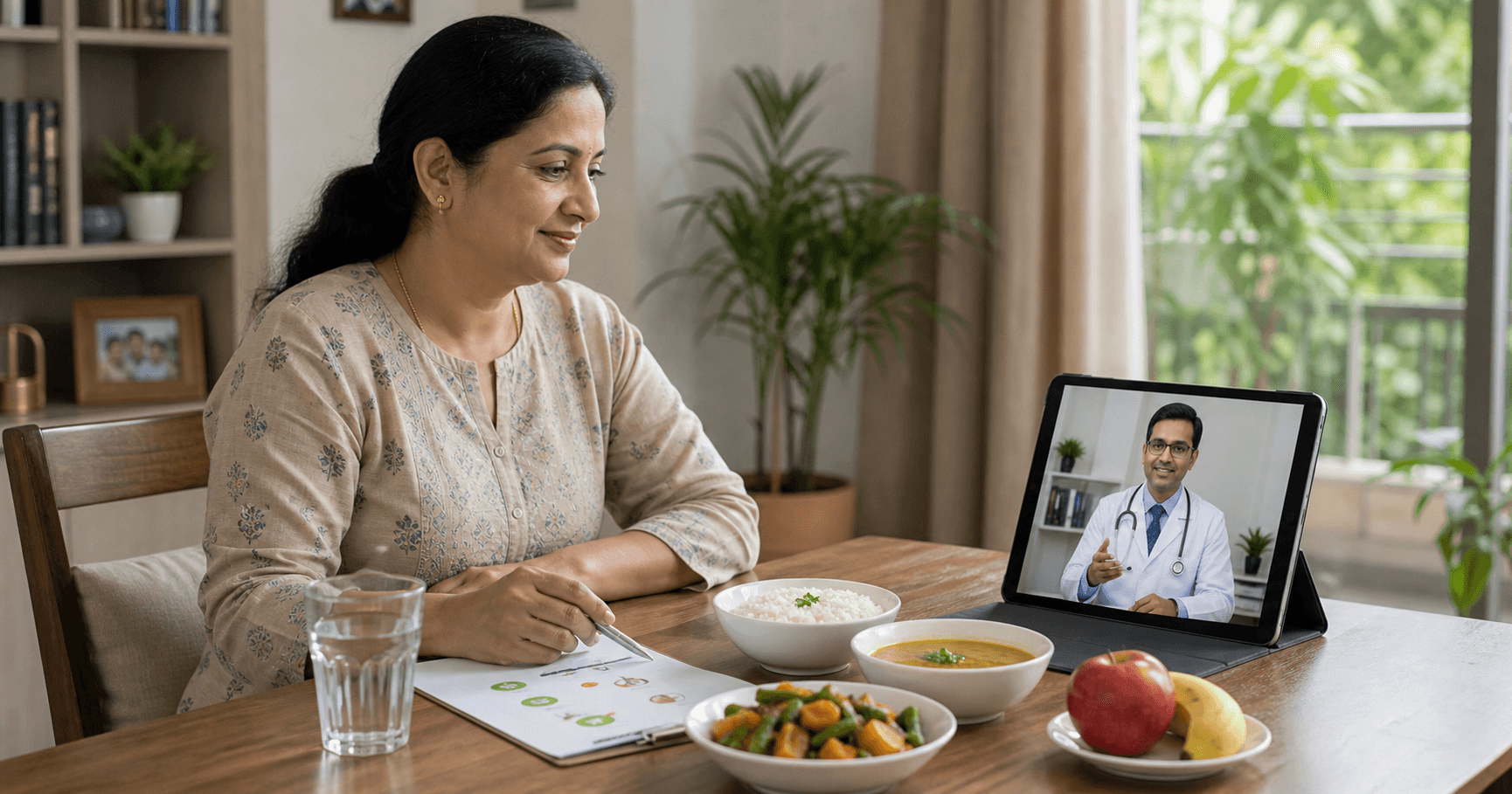
The first few meals should be easy to digest and should match the hospital advice. Commonly discussed options include fluids as allowed, soft rice, dal, curd if tolerated, toast, khichdi, soup, banana, cooked vegetables, lean protein and small frequent portions rather than one heavy meal.
MedlinePlus discharge guidance for laparoscopic gallbladder removal says patients may eat a normal diet but may want to avoid greasy or spicy foods for a while: https://medlineplus.gov/ency/patientinstructions/000117.htm. Mayo Clinic similarly advises going easy on high-fat, fried and greasy foods for at least the first week after surgery: https://www.mayoclinic.org/tests-procedures/cholecystectomy/expert-answers/gallbladder-removal-diet/faq-20057813.
Practical plate rule for Bhopal patients: one small bowl of a simple carbohydrate, one gentle protein source, cooked vegetables if tolerated, and water. Stop and ask for advice if nausea, repeated vomiting, severe pain or worsening bloating appears.
Which foods are usually easier after gallbladder surgery?
Easier foods are usually lower in fat, less oily, not too spicy, and eaten in smaller portions. Examples many patients discuss include rice, khichdi, dal, clear soup, cooked vegetables, fruit, toast, oats, low-fat curd if tolerated, lean chicken or fish, paneer in small low-fat portions if tolerated, and plenty of fluids unless restricted by another doctor.
Decision table: if appetite is low, choose small bland meals; if stools are loose, reduce fried and greasy food first; if constipation is present, ask about fluids, walking and fibre; if diabetes is present, do not copy a generic diet list without checking sugar control and medicine timing.
NIDDK nutrition guidance for gallstones supports a healthier eating pattern with fibre-rich foods, whole grains, fewer refined carbohydrates, less sugar and healthier fats: https://www.niddk.nih.gov/health-information/digestive-diseases/gallstones/eating-diet-nutrition. After surgery, reintroduce fibre gradually if it worsens gas or loose stools.
Which foods should you avoid at first?
Foods to avoid at first are usually the ones most likely to trigger loose stools, bloating or pain: fried snacks, poori, pakora, samosa, chips, heavy gravies, butter-heavy food, cream, high-fat meat, very spicy food, alcohol, and very large meals. Individual tolerance varies.
Mayo Clinic advises avoiding high-fat foods, fried and greasy foods, fatty sauces and gravies for at least a week after gallbladder removal, and choosing low-fat foods instead. Guy’s and St Thomas’ NHS guidance says many people do not need a special diet long term, but some tolerate fatty foods less well after the operation: https://www.guysandstthomas.nhs.uk/health-information/gallbladder-removal-surgery-cholecystectomy/recovery-after-surgery.
Low-effort checklist: avoid oily food for the first week unless your surgeon advised differently, eat smaller portions, add one new food at a time, and write down foods that clearly trigger symptoms. Do not use fasting, crash diets or herbal cleanses to force faster recovery.
What if you have loose stools or bloating?
Loose stools or bloating can happen after gallbladder surgery, especially after high-fat meals. If symptoms are mild and improving, the first step is usually to simplify meals, reduce grease, hydrate as allowed and follow the discharge plan. Persistent or worsening symptoms should be discussed with the treating team.
The NHS recovery page for gallbladder removal says recovery varies and patients should follow care-team advice while returning to normal activities: https://www.nhs.uk/tests-and-treatments/gallbladder-removal/recovery/. Food tolerance should be handled the same way: use the discharge plan first, then adjust based on symptoms and review.
Call the surgeon sooner if loose stools are severe, there is blood in stool, fever, worsening abdominal pain, repeated vomiting, dizziness, very little urine, jaundice, dehydration signs or a patient who looks very unwell. These are not diet-only problems.
Can you eat normal food again?
Many patients can return toward normal food gradually, but the timing depends on the operation, recovery, bowel symptoms, other illnesses and surgeon advice. A normal diet after gallbladder surgery should still be sensible: not a sudden return to repeated fried food or very large meals.
The useful test is tolerance plus safety. If a food causes pain, bloating or loose stools, reduce it and retry later in a smaller amount. If regular meals are staying down, walking is improving, wounds are okay and there are no warning signs, the diet can usually become broader with follow-up guidance.
Patients already reading about overall recovery can review /articles/laparoscopic-gallbladder-surgery-recovery-bhopal. The guide at /articles/can-you-live-without-a-gallbladder-bhopal explains why digestion continues after removal and why most people do not need a permanent special diet. If loose stools persist, /articles/diarrhea-after-gallbladder-removal-bhopal provides a symptom-record checklist and dehydration warning signs. Patients with wound redness or discharge concerns can review /articles/laparoscopic-incision-care-bhopal before contacting the treating team.
When should diet symptoms become a doctor call?
Diet symptoms should become a doctor call when the patient cannot keep fluids down, vomiting repeats, abdominal pain is severe or worsening, fever appears, stools are persistently severe, urine becomes very low, eyes turn yellow, the abdomen becomes increasingly swollen, or the patient looks weak, confused or very unwell.
The American College of Surgeons cholecystectomy patient education page lists concerning symptoms after surgery such as severe pain, stomach cramping, high fever or chills, yellow skin, increased incision drainage, no bowel movement for several days, or vomiting with inability to keep fluids down: https://www.facs.org/for-patients/the-day-of-your-surgery/cholecystectomy/.
For planned food and recovery questions in Bhopal, Dr. Rajesh Kanungo can review the discharge summary, operation details and symptoms at R.K. Hospital, Indrapuri. For severe pain, repeated vomiting, jaundice, fainting, chest pain, breathing difficulty or rapid worsening, go to emergency care first. If you are worried that a stone has returned, /articles/gallstones-after-gallbladder-removal-bhopal explains the difference between gallbladder and bile duct stones.
What questions should Bhopal patients ask before discharge?
Before discharge, ask what to eat tonight, whether any foods should be avoided for a week, how much water is appropriate, what to do for loose stools, when to restart usual diabetes or BP diet routines, and which symptoms should trigger a call.
Useful checklist: What was my operation name? Was it laparoscopic or open? Were there infection or bile duct concerns? Can I eat rice, dal, curd and vegetables today? Should I avoid oily or spicy food? What medicine should I take exactly as prescribed? When is follow-up?
This reduces guesswork. Patients often search "what can you eat after gallbladder surgery" because they want one perfect food list. The safer answer is a simple first-week plan plus a clear rule for when symptoms need medical review.
Which medical sources support this diet guide?
This guide was cross-checked against MedlinePlus laparoscopic gallbladder removal discharge guidance at https://medlineplus.gov/ency/patientinstructions/000117.htm, NIDDK gallstone treatment and bile-flow information at https://www.niddk.nih.gov/health-information/digestive-diseases/gallstones/treatment, NIDDK gallstone nutrition guidance at https://www.niddk.nih.gov/health-information/digestive-diseases/gallstones/eating-diet-nutrition, Mayo Clinic gallbladder removal diet advice at https://www.mayoclinic.org/tests-procedures/cholecystectomy/expert-answers/gallbladder-removal-diet/faq-20057813, NHS recovery guidance at https://www.nhs.uk/tests-and-treatments/gallbladder-removal/recovery/, Guy’s and St Thomas’ NHS gallbladder removal recovery advice at https://www.guysandstthomas.nhs.uk/health-information/gallbladder-removal-surgery-cholecystectomy/recovery-after-surgery, and American College of Surgeons cholecystectomy patient education at https://www.facs.org/for-patients/the-day-of-your-surgery/cholecystectomy/.
The consistent message is conservative: restart food gradually, reduce greasy or high-fat triggers early, keep hydration and bowel symptoms in view, and seek medical help for fever, severe pain, repeated vomiting, jaundice, dehydration, wound concerns or a rapidly worsening condition.
Related care options
More patient guides
Appendicitis Pain Location: Where Does Appendix Pain Usually Start?
Appendicitis pain often begins near the navel and then moves toward the lower right abdomen, but the location can vary. Severe or worsening pain, especially with fever, repeated vomiting, marked tenderness, faintness or a very unwell feeling, needs urgent medical assessment rather than a home diagnosis.
Types of Abdominal Hernias: A Location Guide for Bhopal Patients
Abdominal hernias are named mainly by where tissue pushes through a weak area: the groin, upper thigh, navel, upper midline, abdominal wall or an old surgical scar. Location is a useful clue, but examination—not a photo or symptom list—is what separates a hernia from other lumps and guides safe treatment.
Can You Live Without a Gallbladder? What Changes After Surgery
Yes. Most people can live a normal life without a gallbladder because the liver keeps making bile. After removal, bile flows directly into the small intestine instead of being stored. Some people notice temporary digestive changes, but persistent or severe symptoms deserve medical review.
Common questions
There is no single best food for every patient. Many patients start with small, simple, lower-fat meals such as rice, dal, soup, toast, cooked vegetables, fruit, low-fat curd if tolerated and fluids as allowed by the discharge plan.
Follow your surgeon discharge instructions. Many patients avoid high-fat, fried and greasy foods for at least the first week and then reintroduce foods gradually based on tolerance.
Very spicy food may worsen acidity-like discomfort, bloating or loose stools in some patients early after surgery. It is safer to restart simple food first and add spicy foods later in small amounts if tolerated.
Call promptly or seek urgent care for repeated vomiting, inability to keep fluids down, severe or worsening abdominal pain, fever, yellow eyes, dehydration signs, blood in stool, very low urine, chest pain, breathing difficulty or a rapidly worsening condition.