
Is soreness after gallbladder removal expected?
Mild abdominal, incision or shoulder-tip soreness can occur after laparoscopic gallbladder removal. What matters most is the direction: discomfort should generally become easier as recovery progresses. Severe pain, pain that is steadily worsening, or pain with fever, jaundice, repeated vomiting or a very unwell feeling needs prompt medical assessment.
Soreness after gallbladder removal is discomfort during healing after cholecystectomy, the operation that removes the gallbladder. It may be felt around the small incisions, deeper in the abdomen, or near a shoulder after laparoscopic surgery.
Fast decision rule: compare today with yesterday. Improving or stable mild soreness that matches the written discharge instructions can usually be discussed at follow-up. New, severe or worsening symptoms should be reported to the treating team; emergency warning signs should not wait for an OPD appointment.
Where can pain be felt after laparoscopic gallbladder surgery?
Patients may notice tenderness around the small cuts, abdominal muscle soreness, bruising, or shoulder discomfort. These patterns have different possible explanations, so the location alone cannot confirm that a symptom is harmless.
MedlinePlus lists belly pain, shoulder pain, bruising around wounds and nausea among symptoms that may occur after laparoscopic gallbladder removal: https://medlineplus.gov/ency/patientinstructions/000117.htm. Shoulder-tip discomfort can occur after keyhole abdominal surgery because gas used during the operation may irritate the diaphragm.
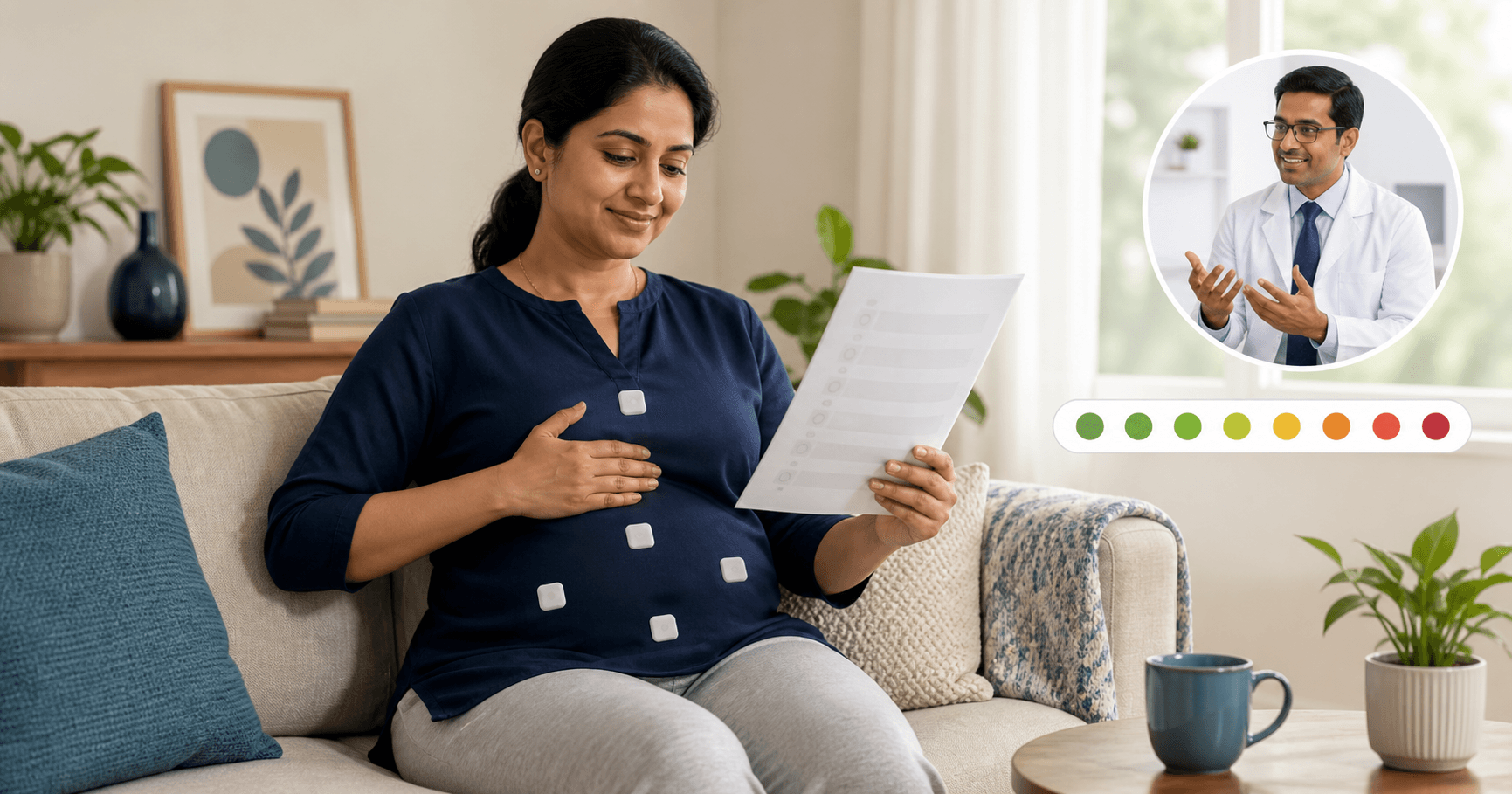
Use a simple check: location, severity, trend, temperature, vomiting, urine or eye colour, wound appearance, breathing and ability to drink. This record helps the surgical team assess the situation, but it is not a self-diagnosis tool.
How should soreness change during recovery?
There is no single pain timeline for every patient. Mild soreness should usually become more manageable, while walking and routine activity gradually become easier. Recovery may take longer after open surgery, difficult inflammation, infection, another procedure, or when other health conditions affect healing.
Mayo Clinic notes that people having laparoscopic cholecystectomy often go home the same day and may take about a week to recover, while open cholecystectomy usually needs a longer hospital stay and recovery: https://www.mayoclinic.org/tests-procedures/cholecystectomy/about/pac-20384818. MedlinePlus says many people return to most normal activities in one or two weeks, although complete recovery can take longer.
Do not force a timetable from the internet. Follow the operation-specific instructions for walking, lifting, driving, wound care and medicines. The broader /articles/laparoscopic-gallbladder-surgery-recovery-bhopal guide explains activity and return-to-work questions.
What is the easiest daily soreness check?
A one-minute check reduces guesswork: ask whether pain is improving, whether you can drink and walk as instructed, whether the wounds look more inflamed, and whether any fever, jaundice, repeated vomiting, chest symptoms or faintness has appeared. Write down changes before calling the hospital.
Decision checklist: mild and improving—continue the written recovery plan; persistent or unclear—contact the surgical team for advice; worsening pain, fever, yellow eyes, repeated vomiting, breathing difficulty, chest pain, fainting, heavy bleeding, confusion or a very unwell patient—seek urgent medical care.
Do not change prescribed medicines, add painkillers, apply products to wounds or delay a recommended review based on this checklist. If the main concern is a cut becoming red or wet, see /articles/laparoscopic-incision-care-bhopal and contact the treating team when instructions are unclear.
Which warning signs need urgent medical attention?
Seek urgent assessment for severe or steadily worsening abdominal pain, fever, yellow eyes or skin, repeated vomiting, inability to keep fluids down, breathing difficulty, chest pain, fainting, confusion, heavy bleeding, pus-like wound discharge, spreading redness or a patient who looks very unwell.
NIDDK explains that gallstone disease can involve bile-duct blockage, infection or pancreatitis and advises immediate care for prolonged abdominal pain, nausea or vomiting, fever or chills, or jaundice: https://www.niddk.nih.gov/health-information/digestive-diseases/gallstones/symptoms-causes. NHS recovery guidance advises urgent review after gallbladder removal for severe or worsening pain, pus or increasing redness around a wound, jaundice, leg swelling or pain, or breathing difficulty: https://www.nhs.uk/tests-and-treatments/gallbladder-removal/recovery/.
If symptoms are severe or rapidly worsening, go to the nearest emergency department or call local emergency services. Do not wait for an online reply or routine clinic slot. For non-emergency recovery concerns in Bhopal, contact the operating hospital or arrange surgical review through /contact.
When should you contact the surgeon even if it is not an emergency?
Contact the surgical team when soreness is not improving as expected, sleep or walking is becoming harder, the wound appearance changes, food or fluids repeatedly trigger symptoms, bowel changes persist, or the discharge instructions do not answer your question. Early clarification is safer than guessing.
Have the discharge summary, operation date, current medicine list, temperature if measured, symptom timeline and wound photo if requested ready. Ask: Does this pattern fit my operation? Do I need examination or tests? Which activity limits apply? When is follow-up? What exact change means emergency care?
Dr. Rajesh Kanungo reviews postoperative concerns at R.K. Hospital, Indrapuri, Bhopal. A consultation can assess the individual patient; this page cannot diagnose the cause of pain or prescribe treatment. If loose stools are the main concern, read /articles/diarrhea-after-gallbladder-removal-bhopal. Patients worried about stones or bile-duct problems later can read /articles/gallstones-after-gallbladder-removal-bhopal before seeking medical review.
Which medical sources support this guidance?
This patient-education guide was cross-checked against MedlinePlus discharge guidance at https://medlineplus.gov/ency/patientinstructions/000117.htm, Mayo Clinic cholecystectomy guidance at https://www.mayoclinic.org/tests-procedures/cholecystectomy/about/pac-20384818, NIDDK gallstone warning signs at https://www.niddk.nih.gov/health-information/digestive-diseases/gallstones/symptoms-causes, and NHS gallbladder removal recovery guidance at https://www.nhs.uk/tests-and-treatments/gallbladder-removal/recovery/.
The consistent message is conservative: some soreness may occur, recovery varies, written discharge instructions take priority, and severe or worsening pain or systemic warning signs need prompt medical assessment. This is general education, not personalized diagnosis, prescription or emergency triage.
Related care options
More patient guides
Tests Before Gallbladder Surgery: Ultrasound, Blood Tests and MRCP
Tests before gallbladder surgery commonly start with an abdominal ultrasound and selected blood tests. MRCP or other imaging is not routine for everyone; it may be considered when symptoms, liver tests or ultrasound raise concern about a stone in the bile duct.
Sleeping Position After Laparoscopic Surgery: A Safe Comfort Guide
There is no single sleeping position that is safest for every laparoscopic operation. Unless the surgical team gave a position restriction, use the position that lets you breathe comfortably and rest without pulling on wounds—often the back with support at first—then change position gradually as comfort allows.
Smoking Before Surgery: When Should You Stop?
Smoking before surgery can affect breathing, anaesthesia planning, wound healing and recovery. The useful next step is not to hide it or guess at a perfect quit date: tell the surgeon and anaesthesia team exactly what you use, how often, and when you last used it, then follow their written plan.
Common questions
How much soreness is normal after gallbladder removal?
Mild incision, abdominal or shoulder-tip soreness can occur, especially after laparoscopic surgery. It should generally become easier. Severe, new or steadily worsening pain needs medical review.
Why does my shoulder hurt after gallbladder surgery?
Shoulder-tip discomfort can occur after laparoscopic surgery because gas used during the operation may irritate the diaphragm. Contact the treating team if pain is severe, worsening or accompanied by breathing difficulty, chest pain or faintness.
When should I call my surgeon about pain after gallbladder removal?
Call when pain is not improving, activity is becoming harder, a wound changes, or the discharge plan does not cover the symptom. Seek urgent care for severe worsening pain, fever, jaundice, repeated vomiting, breathing difficulty or a very unwell patient.
Can this article tell whether my pain is normal?
No. It provides general patient education only. The cause and urgency of postoperative pain require assessment using your operation details, examination and, when needed, tests.