
What changes laparoscopic surgery cost in Bhopal?
Laparoscopic surgery cost in Bhopal usually changes because the operation is not one single procedure. Gallbladder surgery, appendix surgery, hernia repair, diagnostic laparoscopy and bariatric procedures have different test needs, anesthesia time, materials, hospital stay and recovery instructions.
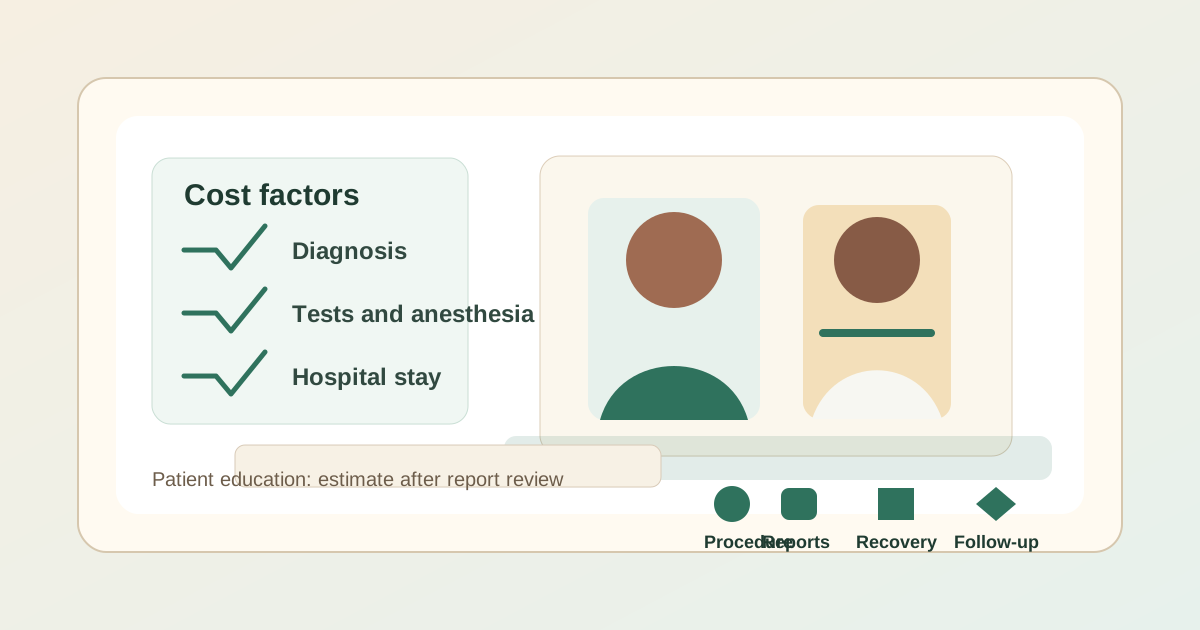
Laparoscopic surgery cost is the total estimate for a camera-guided keyhole operation, including the procedure plan, anesthesia, operation theatre use, medicines, tests, room category, hospital stay, consumables and follow-up needs. The safest estimate starts with diagnosis, not only the operation name.
Fast decision rule: if the price is being discussed before the diagnosis, ultrasound or CT report, medical history and anesthesia risk are reviewed, treat it as an incomplete estimate. Bring reports first, then ask what exactly is included and what could change the final bill.
Why does the diagnosis affect the estimate so much?
The diagnosis affects cost because each condition needs a different surgical plan. A planned gallbladder operation, a recurrent hernia repair, an infected appendix, a complicated abdominal history and a bariatric consultation are not the same workload or risk profile.
For example, a hernia repair may include mesh discussion, a gallbladder case may need liver-related test review, and suspected appendicitis may become urgent if pain, fever or vomiting worsen. The operation route can also change if open surgery becomes safer than keyhole surgery.
This is why patients should ask for a condition-specific estimate: what is being treated, whether laparoscopy is suitable, whether open surgery is a backup, what tests are still pending, and what warning signs should trigger emergency care before the planned date.
Which items should a patient ask to include in the cost discussion?
A useful laparoscopic surgery estimate should explain the surgeon and hospital charges, anesthesia, operation theatre, room category, medicines, investigations, consumables, mesh or special materials if used, expected stay, follow-up plan and possible reasons the estimate may change.
Decision checklist: diagnosis and procedure name; planned laparoscopic or open route; tests still required; anesthesia fitness step; room and expected stay; implant, mesh or stapler if relevant; medicines and disposables; discharge medicines; follow-up visits; emergency or ICU possibility in higher-risk cases.
Do not compare two estimates only by the lowest number. Compare what each estimate includes, what it excludes, whether the surgeon has reviewed the reports, and whether the hospital can handle urgent change in plan if the patient becomes unwell.
How do tests, anesthesia and medical fitness change the final plan?
Tests and anesthesia review can change timing, procedure route and hospital preparation. Patients with diabetes, high blood pressure, heart disease, lung disease, kidney problems, anemia, blood thinners, obesity, sleep apnea or previous anesthesia problems may need additional assessment before admission.
MedlinePlus explains that anesthesia uses medicines to prevent pain during surgery and that the type depends on the procedure and patient condition: https://medlineplus.gov/anesthesia.html. The American Society of Anesthesiologists patient checklist also advises patients to share medicines, allergies, past anesthesia issues and health conditions before surgery: https://madeforthismoment.asahq.org/preparing-for-surgery/prep/preparing-for-surgery-checklist/.
This is not a reason to panic or self-cancel surgery. It is a reason to carry complete reports, prescriptions and medicine lists so the surgeon and anesthesia team can estimate safely and decide whether any health issue needs optimization first.
Is cheaper laparoscopic surgery always a better deal?
Cheaper laparoscopic surgery is not automatically a better deal if the estimate leaves out tests, anesthesia, implant or mesh materials, hospital stay, emergency support, follow-up or possible conversion to open surgery. The better question is whether the estimate matches the patient's diagnosis and risk.
Simple comparison table: low-risk planned case means ask what is included in routine admission; hernia repair means ask about mesh and recurrence risk; gallbladder surgery means ask about inflammation, jaundice and pancreatitis signs; urgent pain with fever or vomiting means emergency evaluation comes before package comparison.
A transparent consultation should reduce confusion, not pressure the patient. It should explain what is known, what is uncertain, what could increase cost, what symptoms should not wait, and when the patient should go directly to emergency care.
What recovery factors can affect cost after surgery?
Recovery factors can affect cost when the patient needs longer observation, extra medicines, wound care, repeat tests, treatment for fever or vomiting, or closer follow-up because of age, infection, diabetes, obesity, blood thinners, previous surgery or other health risks.
Mayo Clinic explains that minimally invasive surgery uses smaller cuts and may reduce risk compared with open surgery, but it still carries risks such as bleeding, infection and anesthesia complications: https://www.mayoclinic.org/tests-procedures/minimally-invasive-surgery/about/pac-20384771. NHS laparoscopy guidance also notes that recovery time varies by procedure and patient factors: https://www.nhs.uk/tests-and-treatments/laparoscopy/.
Reduce avoidable effort before admission by arranging transport, keeping reports in one folder, writing allergies and medicines clearly, asking about fasting, planning help at home for the first day, and saving the hospital contact number for post-discharge concerns.
When should cost discussion wait and emergency care come first?
Cost discussion should wait if the patient has severe or worsening abdominal pain, repeated vomiting, fever, yellow eyes, fainting, breathing difficulty, chest pain, confusion, heavy bleeding, a painful stuck hernia bulge, dehydration signs or any patient who looks very unwell.
MedlinePlus after-surgery guidance explains that complications can include infection, too much bleeding, anesthesia reaction or accidental injury, and patients should know what to do during recovery: https://medlineplus.gov/aftersurgery.html. Before surgery, sudden or worsening symptoms also deserve prompt medical review instead of online price comparison.
This article is patient education, not diagnosis, prescription, emergency triage or a substitute for examination. For severe, sudden, worsening or unusual symptoms, call the treating hospital or go to emergency care first.
How should Bhopal patients leave consultation with a clear estimate?
A good cost consultation should end with the diagnosis, planned procedure, laparoscopic versus open plan, tests still required, anesthesia fitness step, expected hospital stay, what is included, what may change, warning signs and a practical follow-up route.
For Bhopal patients, Dr. Rajesh Kanungo evaluates laparoscopic surgery questions at R.K. Hospital, Indrapuri, including gallbladder stones, appendix symptoms, hernia, piles-fissure-fistula care and selected advanced laparoscopic procedures. Bring ultrasound, CT, blood reports, previous discharge summaries, prescriptions and insurance papers if available.
The most useful next step is a diagnosis-first review. Once the condition and risk profile are clear, the discussion about laparoscopic surgery cost, timing, admission, recovery and alternatives becomes much more reliable.
Which medical sources support this guide?
This guide was cross-checked against Mayo Clinic minimally invasive surgery information at https://www.mayoclinic.org/tests-procedures/minimally-invasive-surgery/about/pac-20384771, NHS laparoscopy guidance at https://www.nhs.uk/tests-and-treatments/laparoscopy/, MedlinePlus anesthesia information at https://medlineplus.gov/anesthesia.html, MedlinePlus after-surgery guidance at https://medlineplus.gov/aftersurgery.html, and the American Society of Anesthesiologists preparation checklist at https://madeforthismoment.asahq.org/preparing-for-surgery/prep/preparing-for-surgery-checklist/.
These sources support the same practical message: laparoscopic surgery can reduce recovery burden for selected patients, but it remains surgery, needs individualized risk review and should include clear post-surgery warning-sign guidance.
Related care options
More patient guides
Piles Coming Out During Stool: When Does a Prolapse Need Review?
Tissue that comes out during a bowel movement may be prolapsed piles, but rectal prolapse and other anal conditions can look similar. Note whether it returns by itself, needs gentle pressure, stays outside, bleeds or becomes painful, then arrange an examination rather than trying to grade it at home.
Appendix Pain When Lying Down: Does Position Matter?
Pain from appendicitis may feel worse with lying flat, rolling over, getting out of bed, coughing or other movement, but no sleeping position can confirm or rule it out. Lower-right abdominal pain that is worsening, localising, or accompanied by fever, vomiting, appetite loss, swelling or marked tenderness needs prompt medical assessment.
Incisional Hernia Symptoms After Surgery: Bhopal Guide
A new bulge, pressure or pain at an old abdominal operation scar can be an incisional hernia, but symptoms alone cannot confirm it. Arrange a surgical review if the swelling persists or grows; use emergency care for severe pain, vomiting, abdominal swelling, skin discoloration or a hard bulge that will not reduce.
Common questions
What is included in laparoscopic surgery cost in Bhopal?
A complete estimate may include surgeon and hospital charges, anesthesia, operation theatre, tests, medicines, room category, consumables, mesh or special materials when relevant, hospital stay and follow-up needs.
Why does laparoscopic surgery cost change from patient to patient?
Cost changes because diagnosis, urgency, tests, anesthesia risk, previous surgery, infection, diabetes, blood thinners, procedure complexity, materials and hospital stay can all be different.
Can I get an exact laparoscopic surgery cost before consultation?
Usually only a rough range is possible before examination and report review. A safer estimate comes after the surgeon understands the diagnosis, reports, medical history and anesthesia fitness needs.
When should I seek emergency care instead of comparing surgery cost?
Seek urgent care for severe worsening pain, fever, repeated vomiting, jaundice, fainting, breathing difficulty, chest pain, confusion, heavy bleeding, a stuck painful hernia bulge or a very unwell patient.